How to research regional preferences and target cross-border markets
Research regional markets and use dashboard data to identify high-conversion opportunities for your trading network.
Expanding beyond your home market opens access to millions of potential traders—but success requires more than translating your existing content. Different regions have distinct platform preferences, payment habits, cultural attitudes toward trading, and content consumption patterns that directly impact your conversion rates.
This guide demonstrates how to use the Deriv Partner Dashboard to identify regional opportunities and build a data-driven cross-border affiliate marketing strategy.
Quick summary
- Identify patterns: Use the "Country" column in your dashboard to find organic growth areas.
- Systematic research: Assess market potential via Google Trends, Telegram groups, and local social communities before investing.
- Localised tracking: Create region-specific tracking channels to measure cross-border performance accurately.
- Compliance first: Verify local 2026 regulations (e.g., FTC, GDPR) to support long-term account safety.
Most important terms to know
To succeed in cross-border targeting, it's helpful for you to be familiar with these core terms:
- Deriv Partner Dashboard: The central analytics hub for tracking global registrations and commissions. For a complete walkthrough of your partner dashboard, head over to our full course on Dynamic Works Essentials to learn how to manage your daily performance and tracking.
- Cross-border expansion: The strategic process of entering new geographic markets to diversify revenue.
- Regional conversion rate: The metric measuring how effectively a specific geography moves from registration to deposit.
Why is regional research critical for cross-border affiliate marketing success?
Geographic targeting acknowledges that trading preferences vary dramatically by region. A strategy that converts in Latin America may fail in Southeast Asia due to different mobile usage patterns and regulatory environments.
- The cost of skipping research: Wasted ad spend on restricted regions or mismatched messaging that fails to build trust.
- The benefit of data: Focusing effort on high-potential markets and adapting content to match local "Answer Nuggets".
How do I find geographic performance data in the Deriv dashboard?
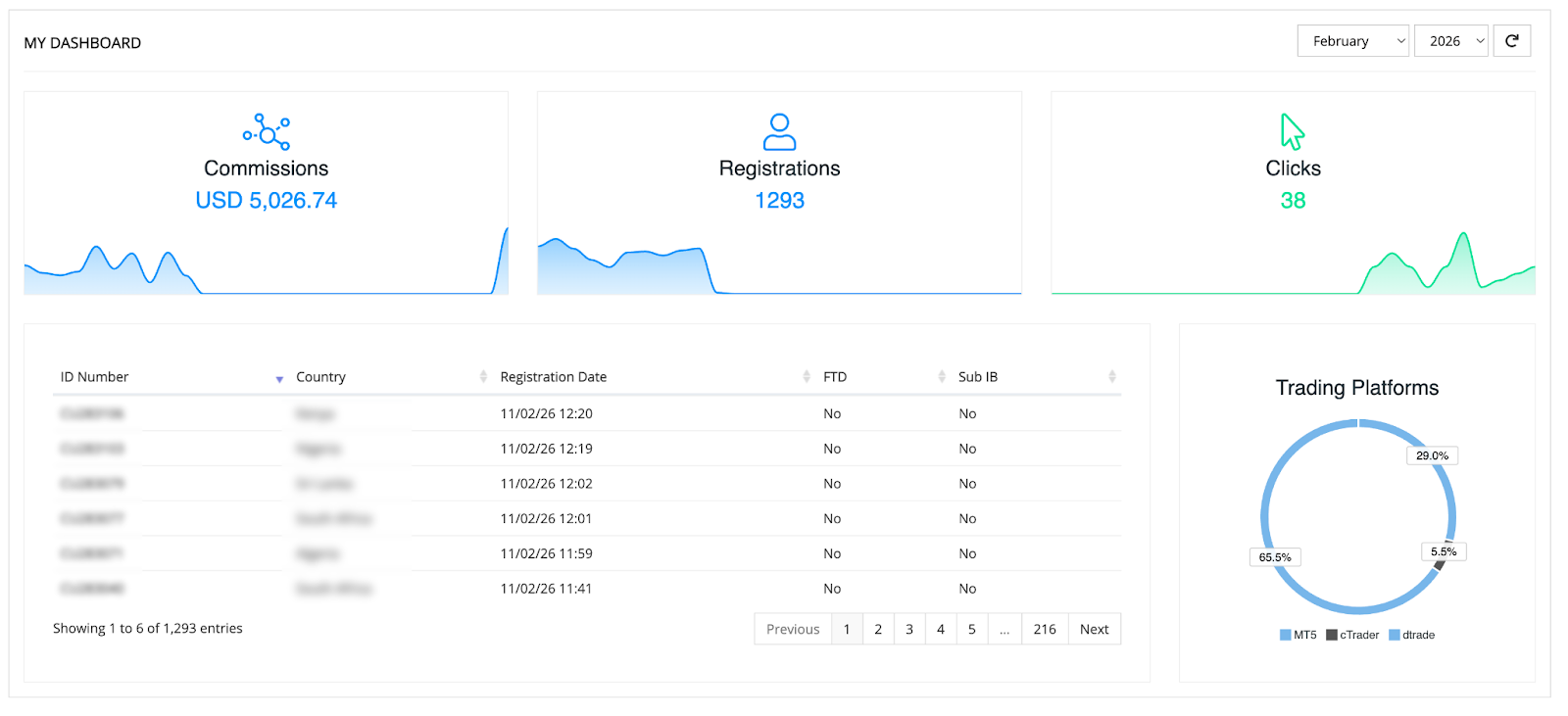
Before researching new markets, analyse your existing strengths within the Deriv Partner Dashboard.
Latest registrations
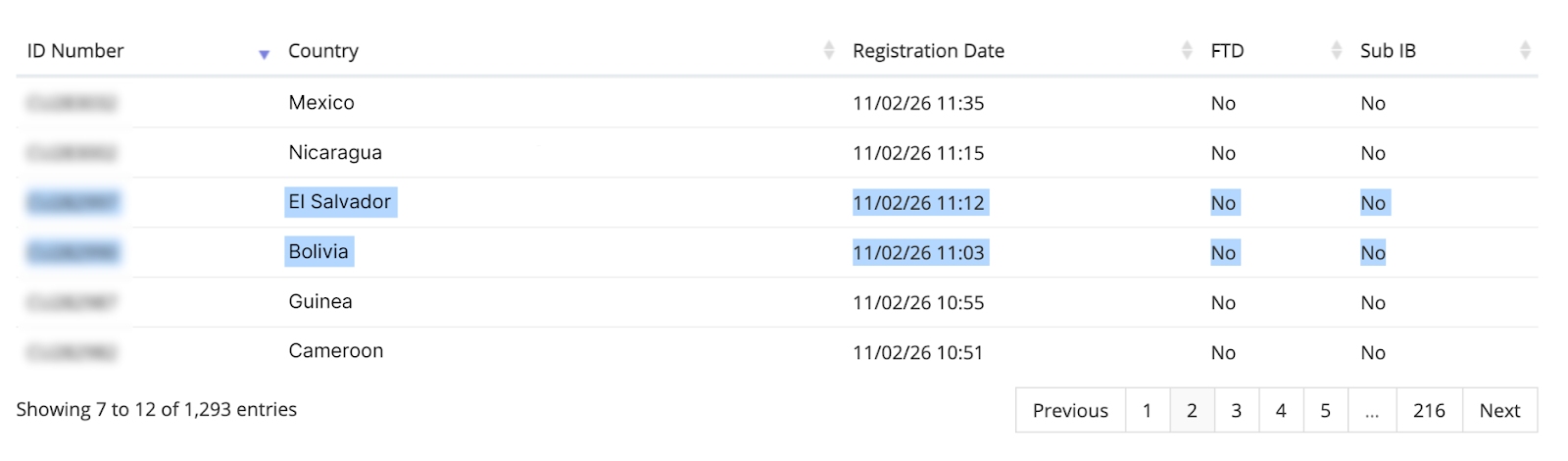
Review the "Country" column to see where your organic signups are originating from.
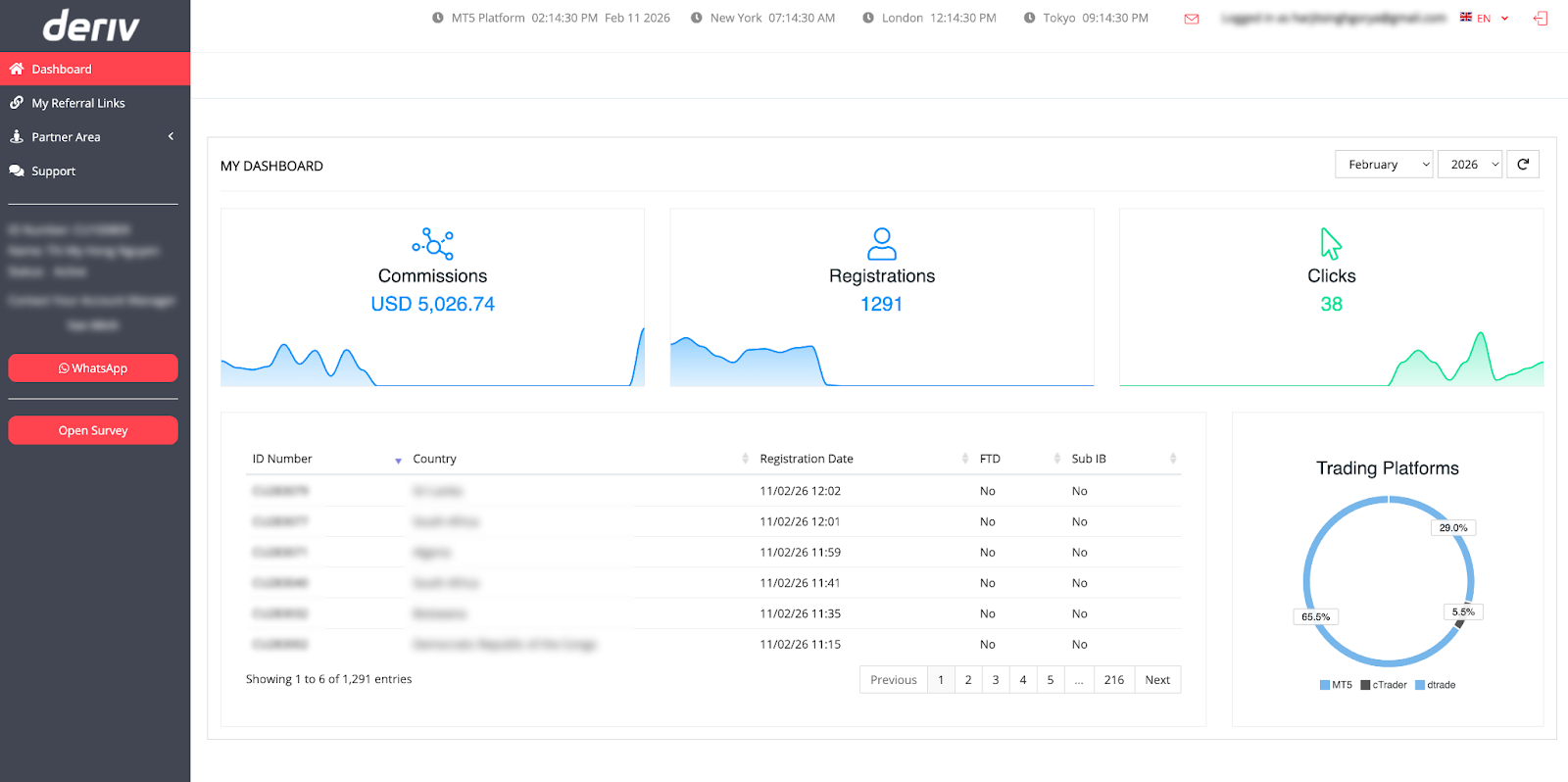
What to look for:
- Which countries generate the most registrations?
- Are there countries with high registration volume but low FTD (First Time Deposit) markers?
- Do certain regions cluster around specific time periods?
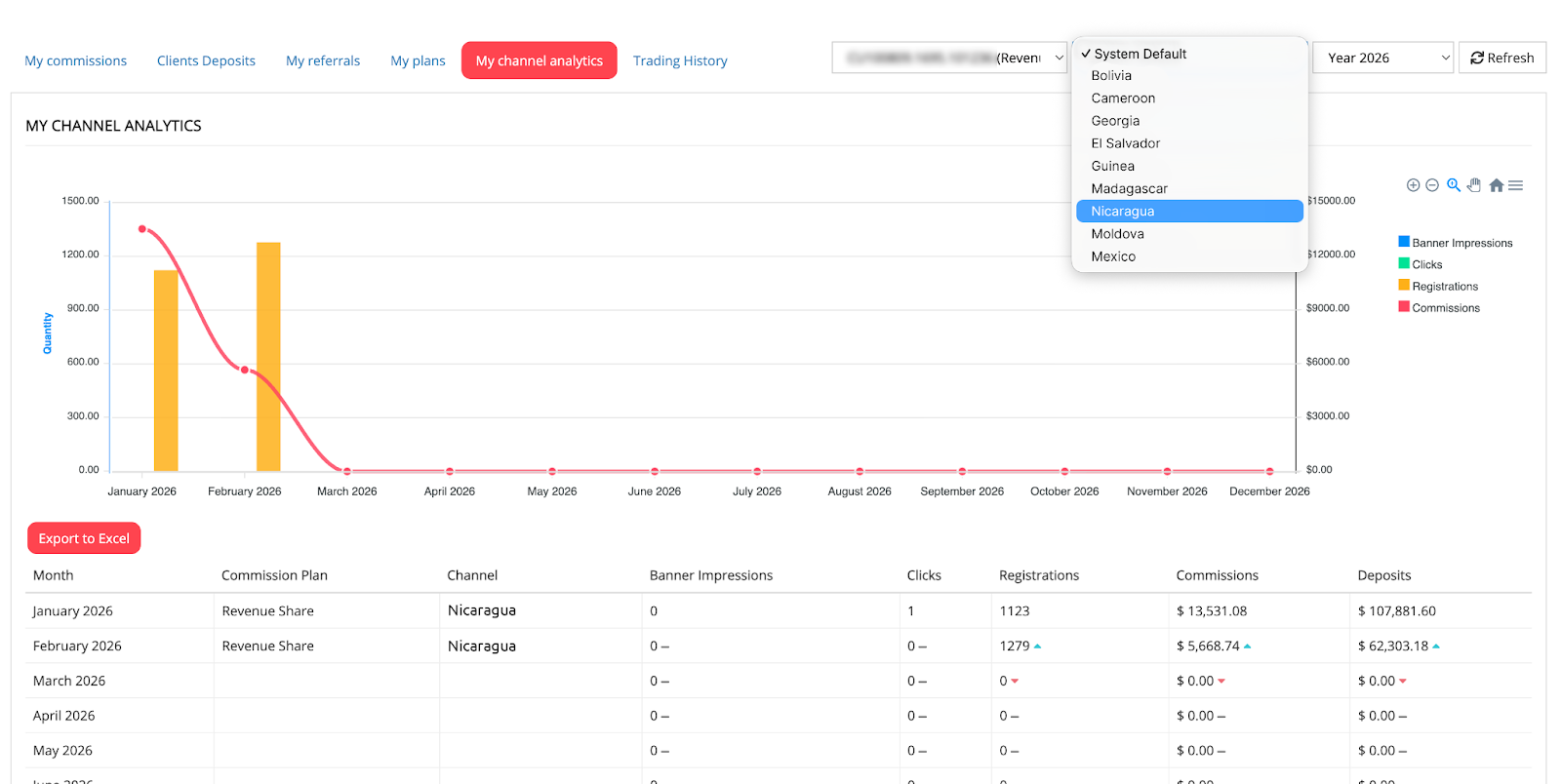
My Channel analytics
If using tagged links, identify which specific sources attract high-value geographic clusters.
What to look for:
- Do certain channels attract specific regions?
- Which geographic sources have the highest deposit-to-commission conversion?
- Are there regions with high engagement but low conversion (opportunity areas)?
Diagnostic questions for your current data
How to research new markets
Translating your global ambition into a local reality requires a systematic evaluation across five core dimensions. Use this framework to score and prioritise new regions for your cross-border marketing efforts.
Step 1: Verify legal and regulatory accessibility
Before investing, ensure the target market is both legally viable and compliant.
- Action: Search "[Country Name] online trading regulations 2026" using AI tools like Gemini or Perplexity.
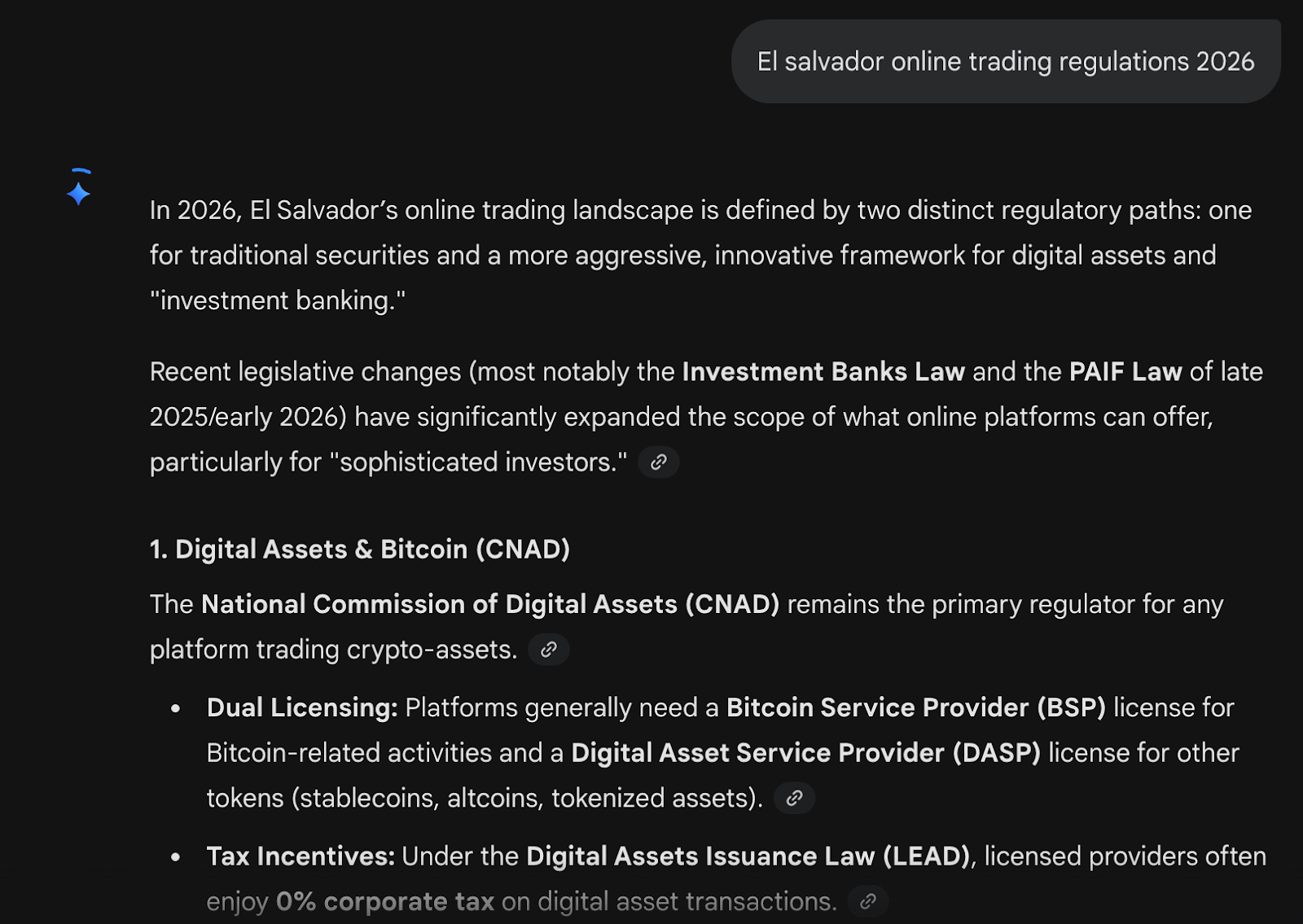
- Checklist:
- Is online trading legal in this jurisdiction?
- Does Deriv currently accept clients from this region?
- What are the 2026 FTC or local disclosure requirements for financial promotions?
- Insight: Use plain-language disclosures such as "I may earn a commission" prominently near links to satisfy 2026 "Clear and Conspicuous" mandates.
Step 2: Assess market interest via search data
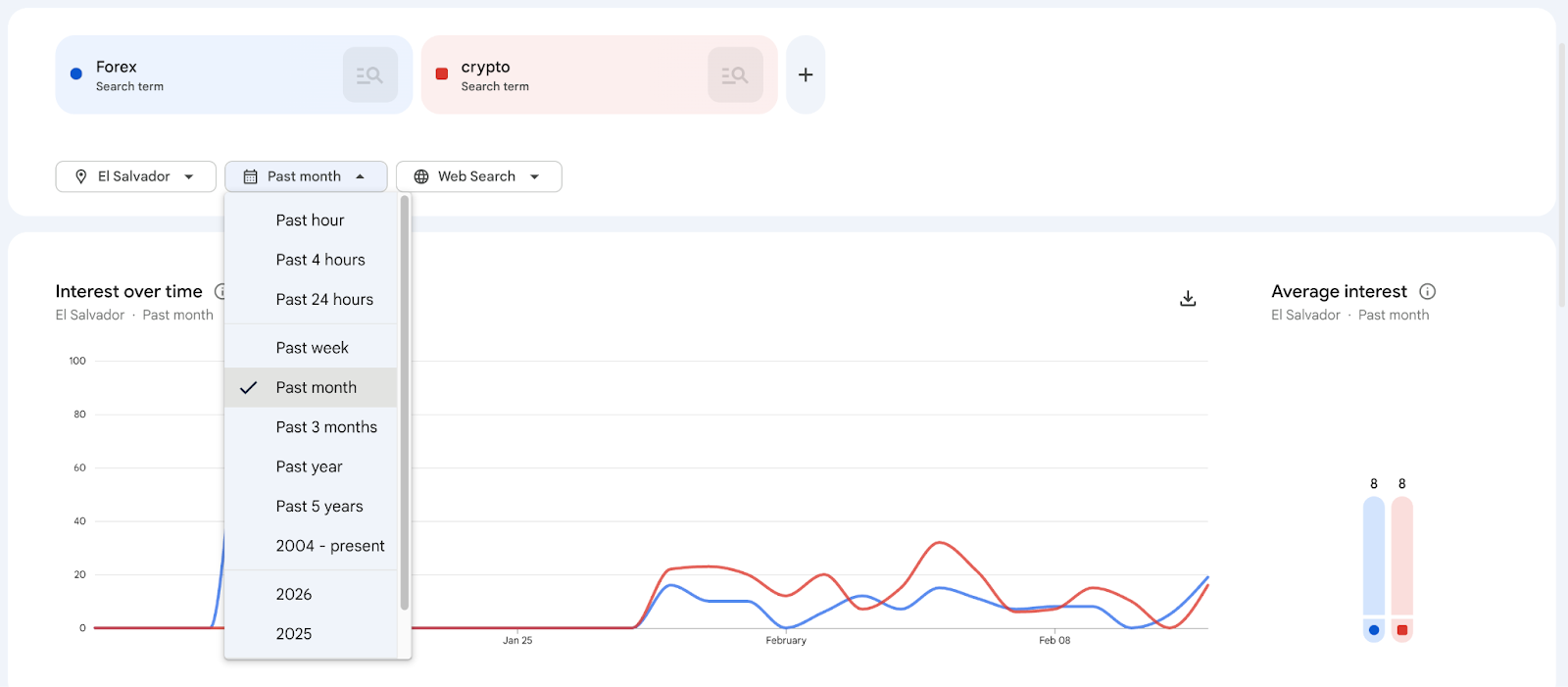
Determine whether there is sufficient search volume to justify a dedicated campaign.
- Action: Use Google Trends to compare terms like "forex trading," "CFD platform," and "[Local Currency] trading".
- What to look for: Consistent interest levels (score of 50+) and related queries that reveal local terminology preferences.
Step 3: Audit community activity and social sentiment
Niche communities are typically the primary drivers of B2B influence in 2026.
- Action: Join regional Telegram signals groups, Facebook communities, and Reddit subreddits (e.g., r/[Country]investing).
- Observation goal: Note common beginner questions, preferred payment methods, and current complaints about competitor platforms.
Step 4: Analyse regional competition depth
Evaluate if the market is saturated or if there are "content gaps" you can fill.
- Action: Conduct a search for "best trading platform [Country]" in the local language.
- Winning strategy: If search results are outdated or only in English, there is a high-value opportunity for localised, experience-led content.
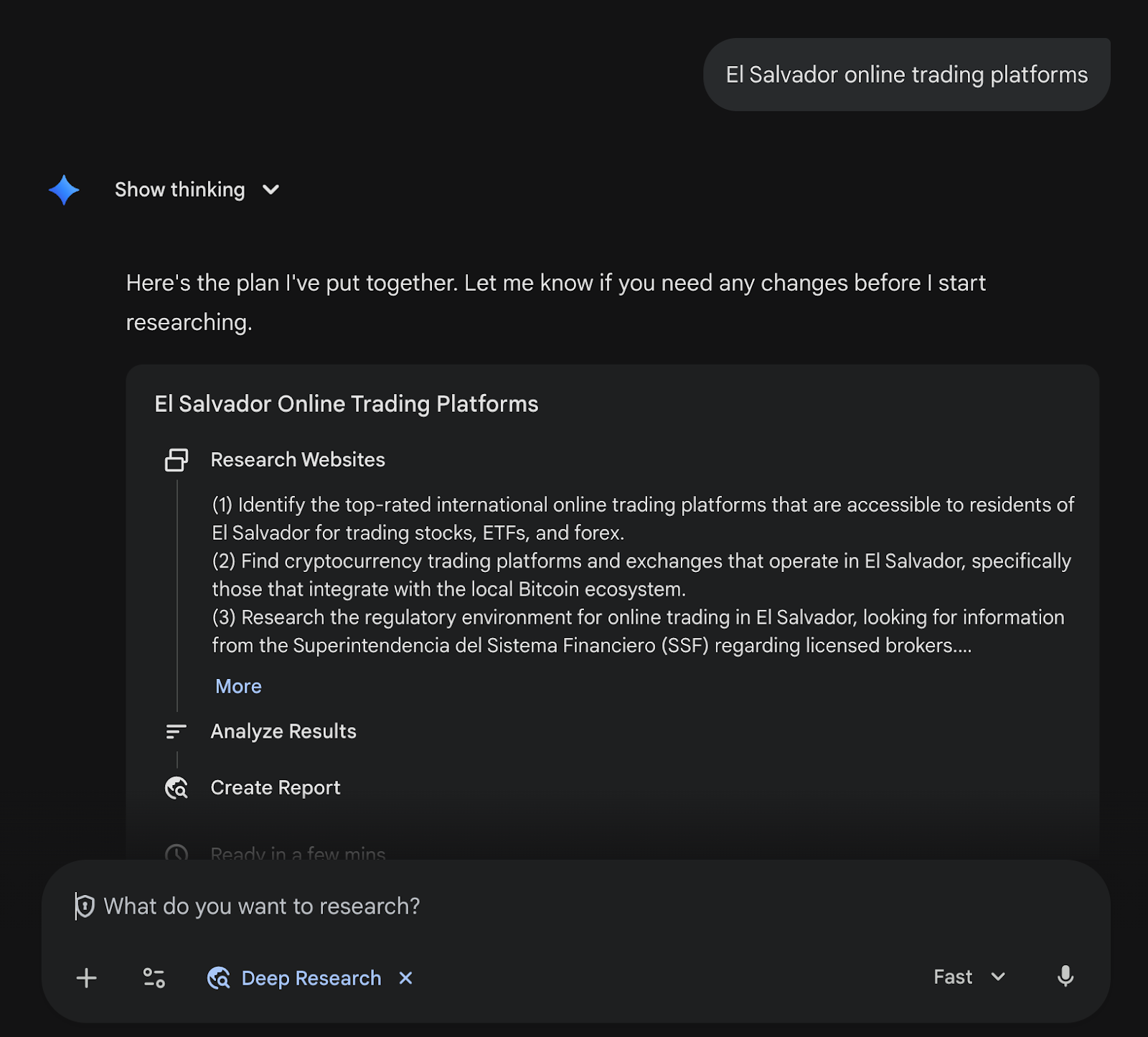
Step 5: Evaluate cultural and language fit
Success in 2026 can depend on authenticity and "transcreation" rather than simple translation.
- Considerations:
- Do you have access to native-level translation for high-stakes financial terminology?
- Does your content align with regional preferences, such as short-form video for Southeast Asia or long-form guides for Europe?
- Are you referencing local economic events and market hours?
How to set up regional tracking in your partner dashboard
Effectively scaling a global partner business requires moving beyond "intuition" to specific, tracked performance data. Follow these steps to implement and analyse your cross-border strategy.
Step 1: Create region-specific tracking channels
Isolate your traffic sources so you know exactly which country is driving your commission.
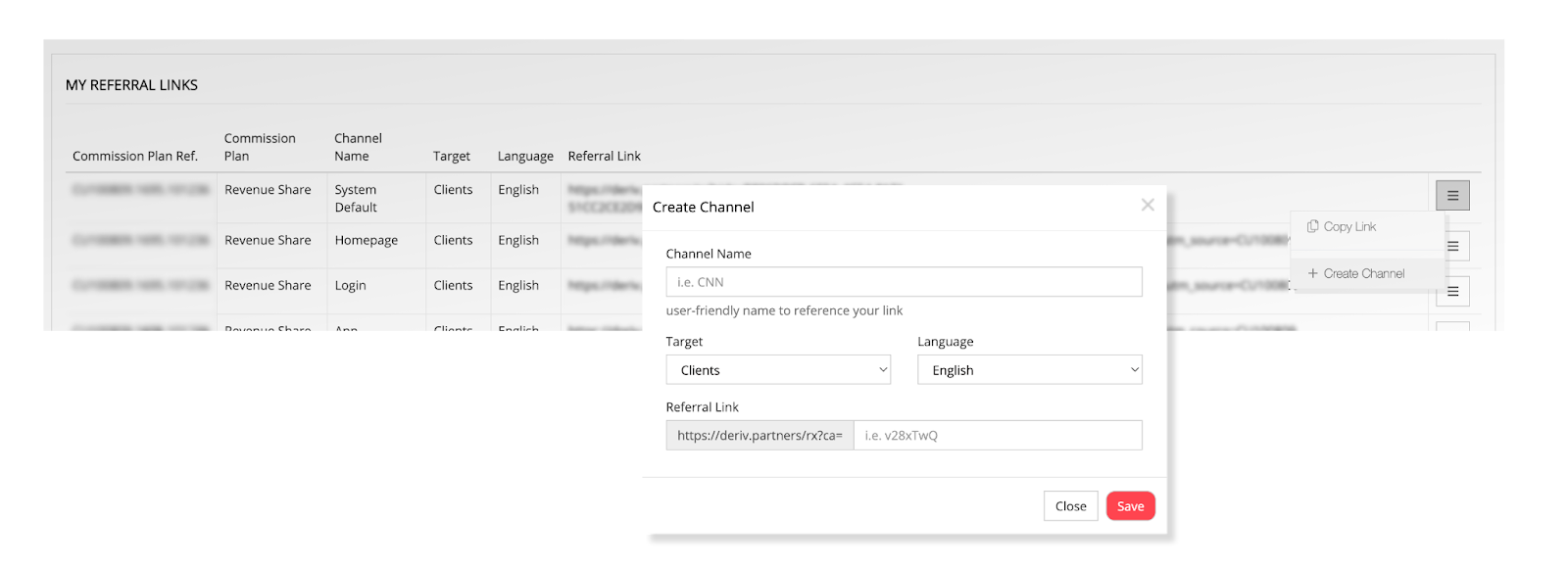
- Action: Navigate to "My Referral Links" in your dashboard sidebar.
- Implementation: Click the three-dot menu next to your commission plan and select "Create Channel".
- Naming convention: Use clear regional identifiers (e.g., nigeria_youtube_2026 or latam_blog_es).
- Language setting: Set the link language to match your target audience to ensure they land on a localised registration page.
Step 2: Deploy region-specific links consistently
To maintain data integrity, you must use the correct tracking entity for each specific geographic campaign.
- For Social/Video: Use your country_social link in the first two lines of your description to satisfy 2026 FTC visibility rules.
- For Blogs: Use the country_blog link within localised "Answer Nuggets" to capture search intent.
- Insight: Never use a generic link for a localised ad; this results in "dark data" where you cannot see which region actually converted.
Step 3: Compare regional performance metrics
Use the "My Channel Analytics" tab to identify which markets warrant greater investment and which have "drop-off" problems.
Cross-border content strategy
To expand successfully, your content must satisfy both local audience preferences and the stringent 2026 global compliance standards.
Localising your content strategy
Translation is only the first step; true "transcreation" involves adapting your voice and timing to regional expectations.
- Language adaptation: Use tools like DeepL for natural phrasing, but always verify technical financial terms with native speakers to maintain B2B authority.
- Timing optimisation: Schedule posts using tools like Buffer to hit peak activity hours in your target region, rather than your local time.
- Regional nuance:
- Islamic regions: Offer "Swap-Free" account content and avoid posting during prayer times or peak Ramadan periods.
- Asian markets: Prioritise Short-Form Video (TikTok/Reels), which can increase conversion rates by up to 49% in these mobile-first regions.
- African markets: Focus on Mobile Money payment guides and regional economic events.
Troubleshooting common cross-border scenarios
If your regional data shows high traffic but low conversions, use this diagnostic framework:
- High interest / Low signups: Check for language barriers in the registration process or a mismatch between your ad and the landing page.
- High signups / No deposits: This often indicates a Payment method gap. Create specific walkthroughs for local funding options (e.g., local bank transfers or e-wallets).
- Unexpected organic growth: If a new region surges, research its regulatory environment immediately and create a dedicated channel to track its ROI.
The Deriv Partner Dashboard is more than just a reporting tool; it is the engine for your cross-border expansion. By mastering the relationship between regional data and localised content, you move from broad, generic messaging to a high-conversion, authority-led strategy.
As we move into 2026, success in affiliate marketing belongs to those who prioritise regional conversion rates and strict adherence to global compliance standards over simple volume. By implementing the systematic research and tracking frameworks outlined in this guide, you are not just reaching new traders—you are potentially building a scalable, data-backed partner network that can navigate the complexities of any global market.
FAQs
How do I know which region to target first?
Start with a market that shares your language or has high English proficiency, shows strong trading interest in Google Trends, has active trading communities you can research, and scores 20+ on the Opportunity Assessment. Adjacent markets (culturally or linguistically similar to your home market) typically have the lowest barrier to entry.
Should I create content in local languages if I'm not fluent?
You can start with translation tools (Google Translate for drafts, DeepL for refinement), but verify accuracy before publishing. For important content, consider hiring a native-speaking freelancer to review. Poor translations can damage credibility more than English-only content in some markets.
How long should I test a new market before deciding to scale or abandon?
Run test campaigns for 3-4 weeks minimum before making decisions. This allows enough time to gather meaningful data across your funnel stages. Review registrations, deposits, and initial commission generation before concluding whether a market is viable.
How many regions should I target simultaneously?
It might be best to start with one new region at a time until you've validated your research and localisation approach. Expanding too quickly spreads your effort thin and makes it difficult to identify what's working. Once you have a repeatable process, you can gradually add markets.
The charts displayed in this article are for illustrative purposes only.

Quiz