How do you build an achievement culture as a Master Partner?
Learn the exact psychological and mechanical frameworks to maximise subpartner loyalty in your partner ecosystem.
Before we start, think about the last time someone in a position of leadership publicly acknowledged something you did. Not a generic "great job," but a specific, personal recognition of your effort, your result, or your growth. How did that feel? Now think about how often you provide that same level of validation for the people in your network. If there is a gap between those two answers, this lesson will serve you as a guide.
As your network grows, shift your focus from promotion to long-term engagement. Help partners stay active and committed by creating a community where they feel valued and connected. Recognition can significantly improve engagement and retention when combined with clear, competitive commission structures. A network architecture where performance achievements are systematically seen, named, and celebrated reinforces the value of the commission programme itself.
This lesson explains practical ways to recognise achievement and strengthen partner engagement. The practices described here are based on tested methods from the books “Never Eat Alone” by Keith Ferrazzi and “Daring Greatly” by Brené Brown. By using these approaches consistently, you can help your network build a stronger sense of community.
Quick summary
- Core objective: Learn how to complement your commission structure with public recognition and community support to strengthen partner engagement.
- Communication schedule: Use regular communication to stay connected with all partners based on their level of activity.
- Milestone tracking: Set up automated tracking for key growth milestones, such as first client deposits, recruitment achievements, and performance improvements.
- Community events: Hold regular virtual gatherings featuring a top performer sharing their experience, with a clear educational focus and time for informal conversation.
- Recognition culture: Create simple peer-to-peer recognition practices, like weekly achievement highlights, to help partners celebrate each other's achievements.
- Milestone trigger systems: Deploy automated tracking protocols for essential growth milestones, specifically targeting the generation of new First Time Deposits (FTDs).
- Community events: Establish predictable, recurring virtual gatherings using the "Dinner Party Model" featuring an Anchor Tenant, a structured educational theme, and unscripted interaction spaces.
- Self-sustaining culture: Seed mutual recognition protocols like the "Achievement of the Week" to transform individual leadership into decentralised, collaborative network growth.
Why can financial compensation fail to secure long-term subpartner loyalty?
A significant portion of network operators view retention through a highly restricted transactional lens. They assume that optimising a commission framework is the sole requirement for sustaining subpartner production. While a competitive, clearly defined commission structure is necessary and forms the foundation of partner motivation, understanding the psychological drivers behind sustained engagement can help ensure that your program retains partners over the long term. Partners need both transparent earning potential and genuine recognition of their contributions
To build a strong Master Partner network, understand what keeps partners engaged long-term. Recognition matters. When partners see their achievements acknowledged publicly, they feel valued and are more likely to stay committed. Long-term loyalty comes from combining fair commissions with genuine recognition of individual effort and progress.
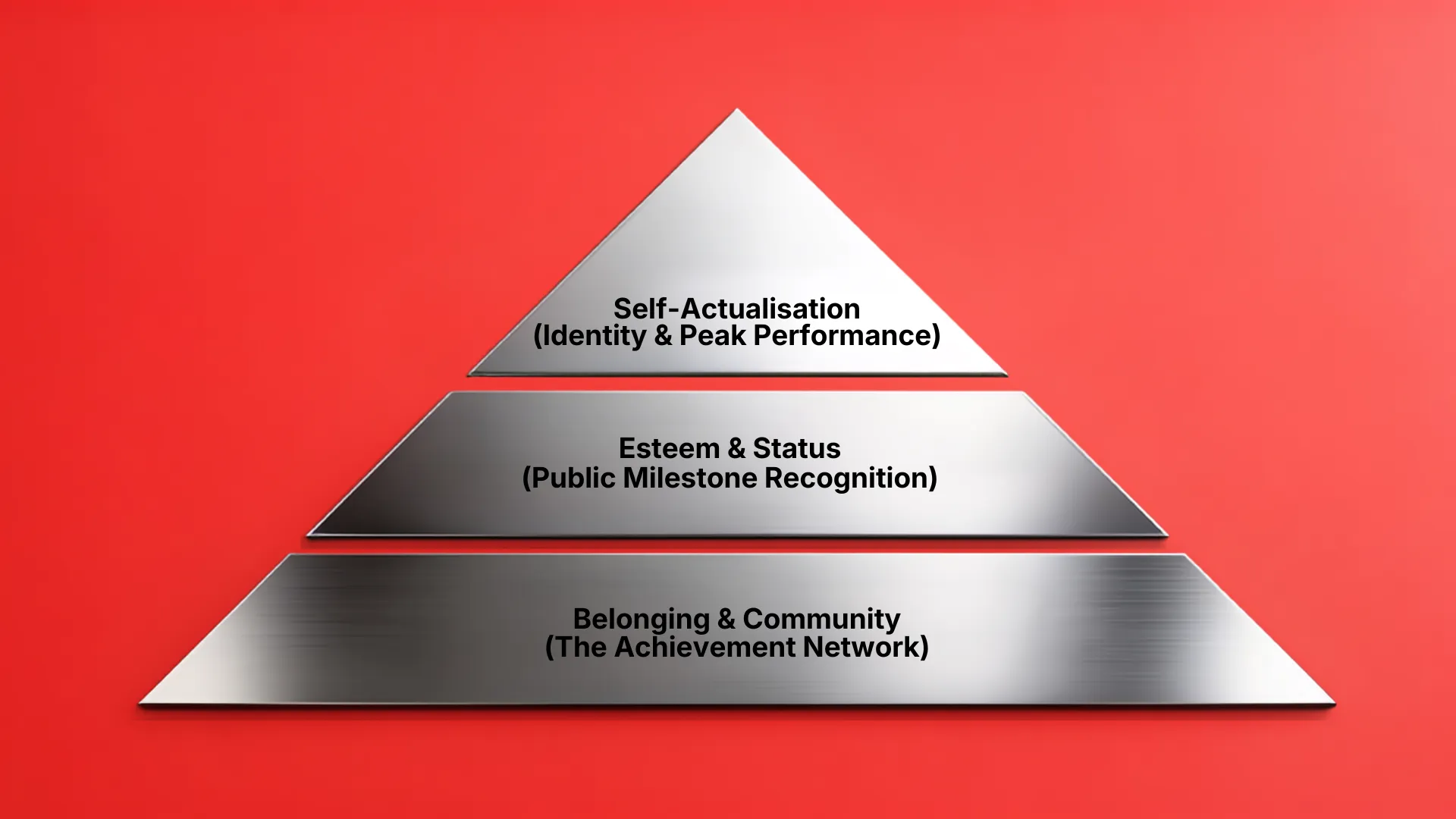
While commissions provide financial motivation, publicly celebrating a partner's achievement accomplishes a complementary objective: it reinforces their sense of progress and status within the network, strengthens their connection to the group, and builds their professional identity.
An effective subpartner retention strategy
An effective subpartner retention strategy combines competitive potential commission payouts with public recognition. While potential payouts provide financial incentive, publicly celebrating a subpartner's metric improvement accomplishes a complementary objective: it elevates the partner within the motivational pyramid by verifying their status, reinforcing their connection to the group, and building their professional identity. Both elements working together create stronger retention.
How can you implement a Master Partner network architecture for Network Recognition?
Recognition often fades as your network grows. Managers celebrate early accomplishments but gradually stop as other tasks increase. Create a communication schedule you follow regularly. This ensures all partners receive acknowledgement—not just top performers.
Creating a communication schedule
To manage a global network efficiently, map your communication frequencies according to clear performance data tiers. Effective communication requires intentional outreach cadences tailored to different partner engagement levels. Consider developing a structured approach to communication frequency, balancing regular touchpoints for your most active producers with periodic check-ins for developing partners. The goal is to demonstrate consistent leadership presence and ensure all partners feel valued, regardless of their current production level.
Setting up milestone recognition
Recognition becomes most powerful when it acknowledges specific achievements rather than generic effort. When celebrating milestones—such as a partner's first client deposit, reaching recruitment targets, or demonstrating consistent participation—reference the exact tactical approach they used. This creates an educational value for your entire community by showing what successful execution looks like in practice. The key is ensuring recognition feels authentic and specific to the individual's actual contribution, rather than treating it as a routine administrative activity.
To contextualise this, notice the difference between generic community praise and specific milestone recognition:
- Generic praise (Ineffective): "Great work this month, everyone! Keep pushing for more traffic!"
- Specific recognition (High-Impact): "Carmencita secured her first 50 client conversions this month. She executed this by reallocating her creative distribution toward Boom & Crash educational video walkthroughs, publishing consistently every Tuesday and Thursday at 7:00 PM GMT. Her recorded conversion rate is currently 34%. Carmencita, that is an extraordinary operational adjustment."
How do you build strong relationships with your top partners?
Strong relationships come from genuine interest in a partner's success. When you understand their goals and the real impact of their work, your recognition feels authentic. When a partner reaches a milestone—like their first major deposit or successful recruitment—acknowledging it specifically strengthens their connection to your program and their confidence in their ability to grow.
Operational data management
Personalised recognition is more meaningful when it reflects genuine understanding of your partners' goals. Invest time in learning about their aspirations and challenges. When you acknowledge achievements, weave these personal details into your recognition. This can build stronger loyalty than financial incentives alone.
How do you design regular community gatherings?
Partners often stay engaged when they see consistent community engagement. Regular virtual gatherings where partners connect and share experiences build trust and community.
Structure your virtual community events with three elements:
Featured partner: Invite a top performer to share their approach and answer questions. This gives newer partners a practical example to learn from.
Clear focus: Give each event a specific educational purpose—such as discussing successful content strategies or recent performance accomplishments. For technical questions, direct partners to Amy, Deriv's official Partner AI assistant.
Informal time: Leave 15 minutes at the end for casual conversation. This helps partners build relationships and connect as peers.
How do you transition from individual leadership to a self-sustaining culture of generosity?
The ultimate objective of a network leader is to move from a centralised communication style to a decentralised, self-sustaining community culture. You are successful when subpartners begin actively tracking, celebrating, and supporting each other's achievements without needing your direct prompting.
Relationships function like muscle tissue; their collective strength increases the more they are used. Every time peers celebrate one another, the network's internal bond tightens. The community shifts from a basic transaction to a core professional identity: "I belong to an ecosystem that actively validates human success." This structural identity becomes a powerful talent magnet that no competitor can easily copy.
Two foundations for a healthy community
A strong partner community balances two things:
- Recognition: Celebrate achievements to build confidence and show what's working.
- Safe feedback: Create an environment where partners can discuss challenges, failed campaigns, and mistakes without fear of judgment. This encourages partners to test new approaches and learn from experience.
How to start peer-to-peer recognition
Weekly achievements: Every Friday, ask partners to nominate a peer for an achievement that week. Partners must name someone else and describe what they did. You'll lead this at first, but over time it becomes a habit partners maintain themselves.
Shared goals: Set collective targets the whole network works toward together. For example, "Our network is aiming for 1,000 first-time deposits this month." Recognise when experienced partners help newer partners solve problems, as this builds a supportive community culture.
Key commitments to build engagement
To strengthen your partner community, commit to these five practices:
- Be specific: Give clear recognition that names what partners did and why it matters, not just generic praise.
- Communicate regularly: Reach out to partners on a predictable schedule. Consistency shows you're committed and builds trust.
- Know your partners: Understand each partner's goals and challenges. Recognition feels genuine when it's based on real knowledge of their work.
- Hold regular gatherings: Schedule monthly or weekly community meetings with a clear purpose and a featured partner sharing their experience.
- Encourage peer recognition: Help partners celebrate each other's accomplishments, not just celebrate them yourself.
Strong partner programmes combine clear commissions with genuine recognition. When partners understand how they earn and feel acknowledged for their work, they stay engaged. Start today: identify one partner who reached a milestone this week and share their achievement with your community.

Quiz
FAQs